Rouxely: A Cool Handwritten Font for Creative Projects
There I was, staring at a blank brand board, trying to figure out how to make a new café concept feel fresh and approachable. The client wanted something that felt personal, like it had been hand-drawn with care, but still professional enough for a modern space. That’s when I pulled up Rouxely.
What Is Rouxely?
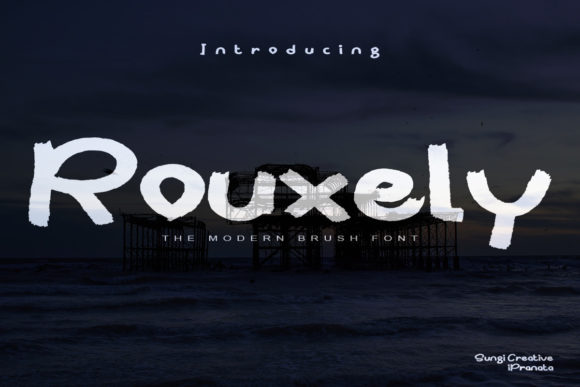
Rouxely is a cool and brushed handwritten font that brings a sense of warmth and spontaneity to any design. It has a natural, slightly irregular flow that feels like it was written with a brush or pen, giving it an organic quality that stands out from more rigid typefaces. The strokes are soft, the curves are fluid, and the overall effect is one of effortless charm.
It’s part of the Script Amp collection, which means it’s designed to work well in both display and logo contexts. But what really sets Rouxely apart is its versatility. It doesn’t just look good on a headline—it can hold its own in a variety of branding elements, from packaging to social media posts.
Testing Rouxely in Real-World Design
I first tested Rouxely on a logo concept for a small-batch skincare brand. The goal was to create a visual identity that felt handmade and trustworthy. Using Rouxely as the primary typeface gave the logo a friendly, almost artisanal vibe. It worked especially well with the brand’s color palette of muted earth tones and white space, making the text feel like it was part of the design rather than an afterthought.
On a packaging mockup, Rouxely added a layer of personality. The font didn’t overpower the product image, but it did make the label feel more intentional. It paired nicely with a clean sans serif for the ingredient list, creating a balance between the handwritten charm and the need for clarity.
When I tried it on a business card, I noticed how it made the contact information feel more human. It wasn’t too flashy, but it definitely caught the eye. On a website header, it added a touch of elegance without being distracting. And on an Instagram post, it brought a sense of authenticity that matched the brand’s storytelling style.
Strengths and Limitations
Rouxely shines in projects that benefit from a personal, creative touch. It’s ideal for logos, headlines, and short phrases where the font’s character can be fully appreciated. Its brush-like strokes make it perfect for brands that want to convey a sense of craftsmanship or artistry.
However, there are some limitations. In smaller sizes or in long blocks of text, Rouxely can become harder to read. It’s not the best choice for body copy, especially in formal or corporate settings. For those situations, pairing it with a more readable font—like a serif or sans serif—can help maintain clarity while still keeping the design cohesive.
One thing to keep in mind is that Rouxely works best when used sparingly. Overusing it can lead to a cluttered look, so it’s important to use it as an accent or highlight rather than the main text.
Font Pairing and Design Applications
When pairing Rouxely with other fonts, it’s helpful to think about contrast. A clean, minimalist sans serif like Montserrat or Open Sans can provide a nice counterbalance to the font’s organic feel. For a more traditional look, pairing it with a serif font like Playfair Display or Georgia can add depth and sophistication.
In editorial design, Rouxely can be used for headings or pull quotes, adding a touch of flair without overwhelming the reader. In packaging design, it works well for product names or taglines, especially when combined with simple graphics or illustrations.
For web design, Rouxely can be used in hero sections, buttons, or feature highlights. Just be sure to test it at different screen sizes to ensure readability. On social media, it’s great for captions, banners, or profile headers, helping to reinforce a brand’s visual identity.
Practical Tips for Using Rouxely
If you’re considering using Rouxely in your next project, start by testing it in a few different contexts. Try it on a logo draft, a packaging mockup, and a social media layout to see how it performs. Pay attention to how it looks in both light and dark modes, and check how it scales across different sizes.
Also, make sure to review the font’s licensing terms before using it in client work. Many premium fonts come with specific restrictions, especially when it comes to commercial use, print, or digital assets. Always double-check the license to avoid any legal issues down the line.
Rouxely is a great addition to any designer’s toolkit, especially for projects that require a personal, creative touch. Whether you're working on a boutique brand, a handmade shop, or a local restaurant identity, this font can help elevate your design and make it stand out.